
EV Portable Charger
Electric vehicle owners planning road trips, international travel, or charging away from home base face uncertainty about connector compatibility and charging availability across unfamiliar regions and multiple infrastructure networks. IPENGEN EV Portable Chargers deliver travel-ready solutions with adjustable-current cable assemblies, compact form factors, and multi-standard connector options that enable reliable charging in diverse environments from residential outlets to industrial installations. Order online from the official store now and ensure charging confidence wherever your journey takes you, at the best available price.


IPENGEN EV Portable Chargers for Travel Ready Solutions
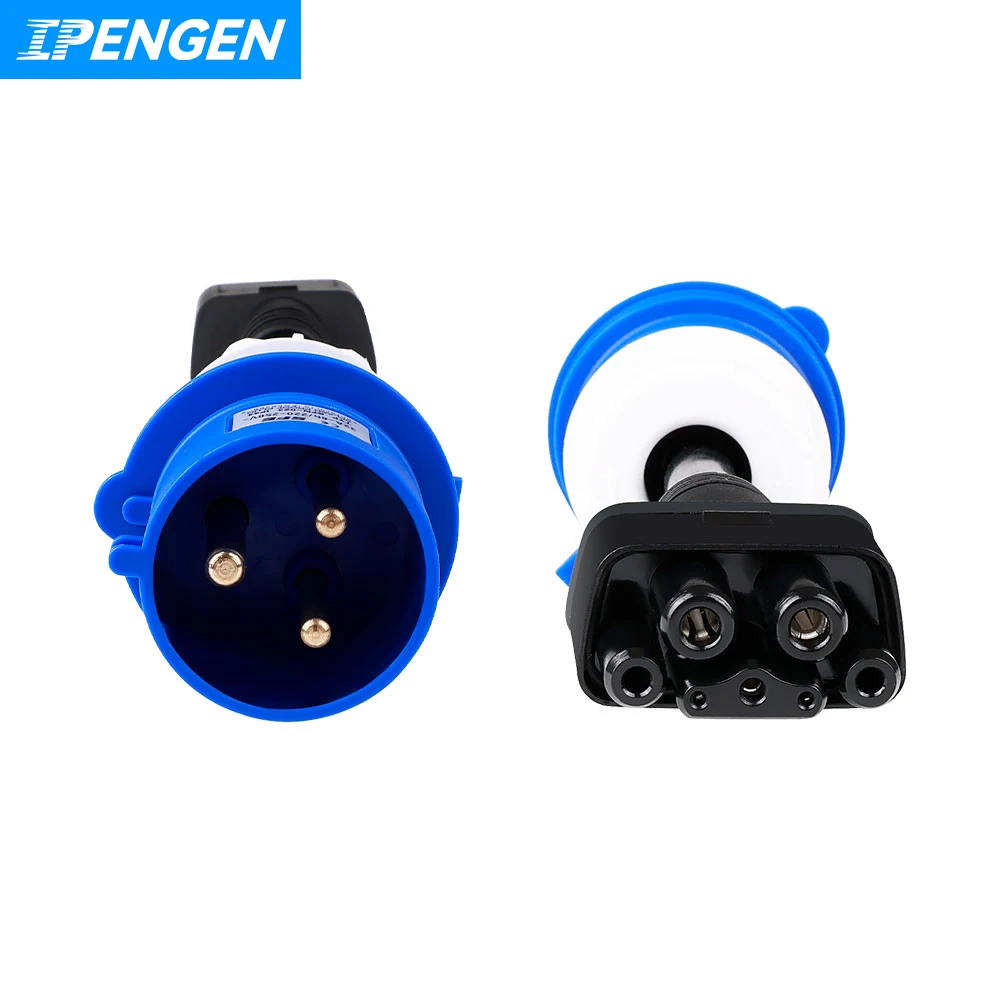
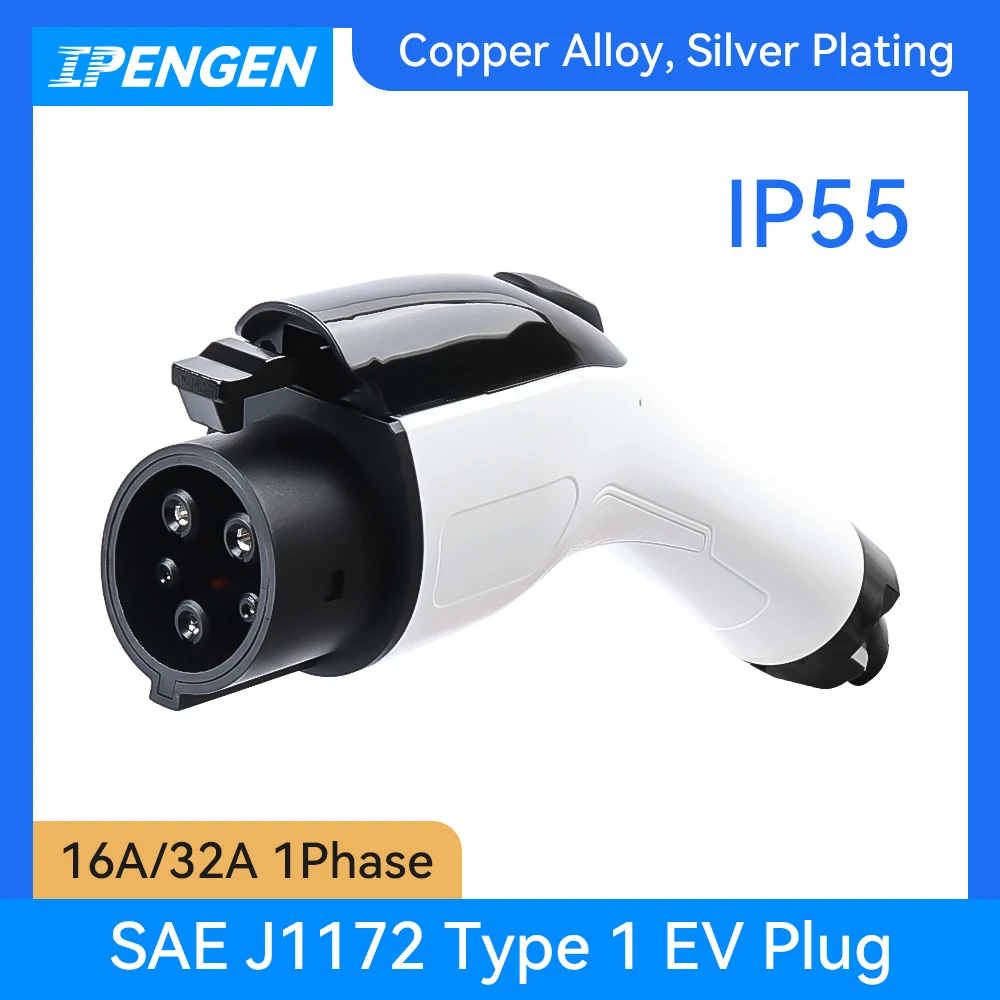
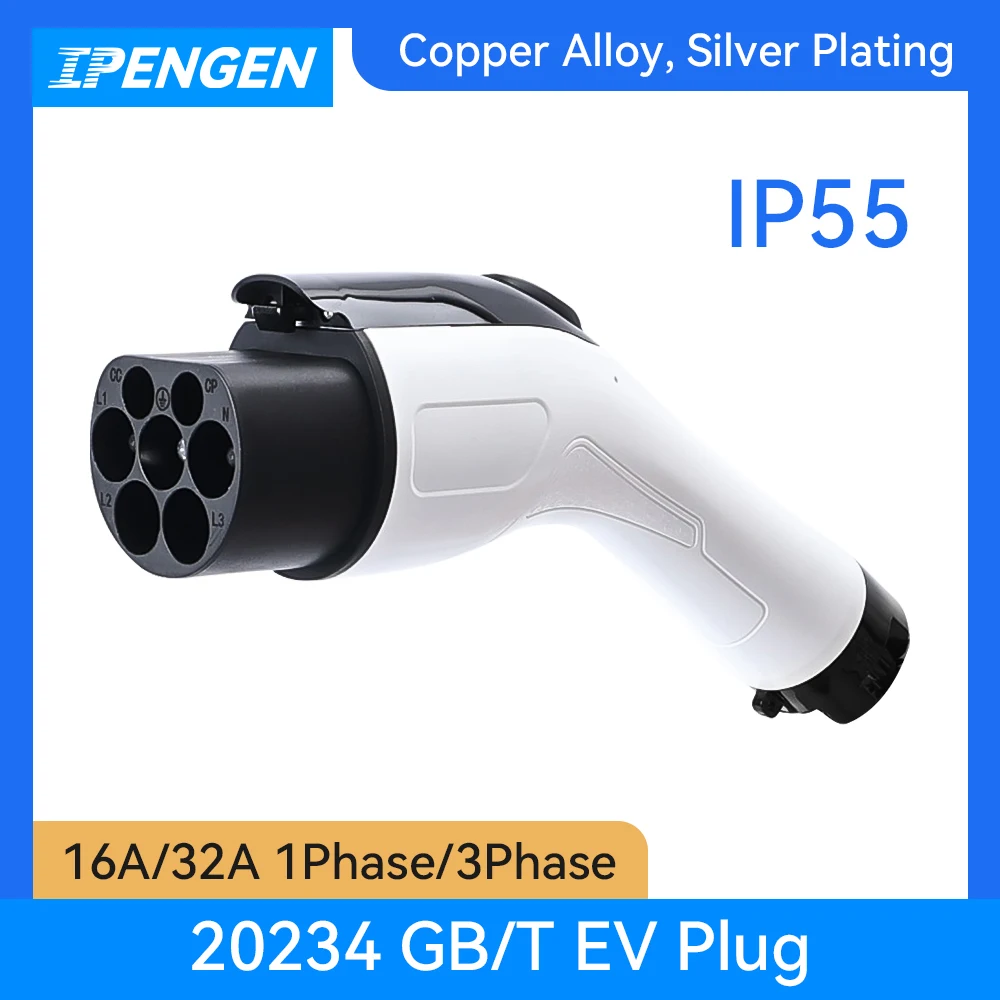
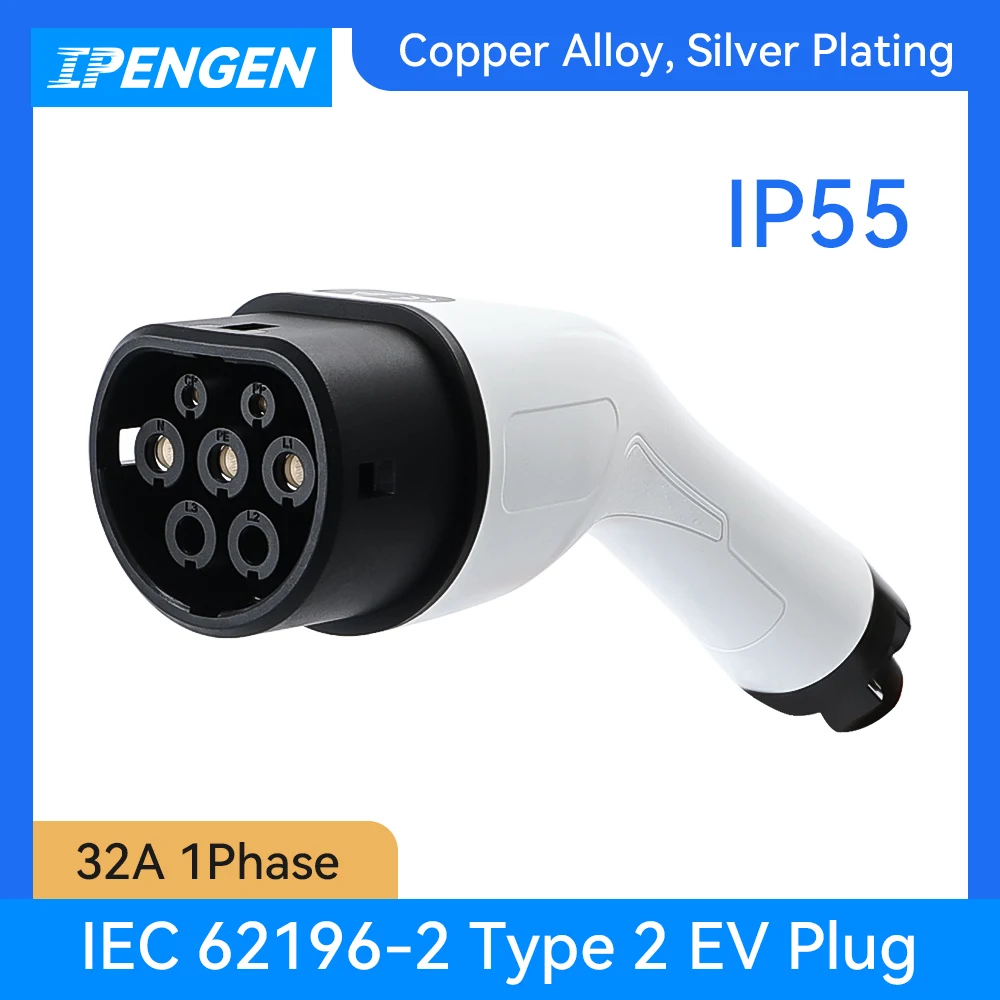
IPENGEN EV Portable Chargers enable battery electric vehicles and plug-in hybrid cars to charge from standard household outlets, industrial power sources, and workplace installations during travel, remote parking, and emergency charging scenarios. These travel ready solutions address a critical gap in public charging infrastructure by allowing drivers to utilize existing electrical power at hotels, rest stops, vacation properties, and secondary residences where dedicated EV charging equipment may not exist. The portable charger lineup includes AC charging adapters with adjustable-current cable assemblies ranging from 10 to 32 amperes, supporting both single-phase residential power and three-phase industrial installations common across different regions. Models cover connection types including Type 1 SAE J1772, Type 2 IEC 62196-2, GB/T, and specialized industrial connectors including CEE and Schuko socket adapters for maximum flexibility across diverse power sources. Cable lengths from 2 to 10 meters accommodate varied vehicle parking positions relative to available power outlets, particularly useful in garage scenarios with limited charging station proximity. Waterproof protection ratings ensure reliable operation in outdoor charging environments where rain, humidity, and temperature extremes pose challenges to equipment durability. Electrical safety features including ground-fault detection, overvoltage protection, and thermal management components protect both vehicle battery systems and human operators from electrical hazards during charging.
Engineering for Portability and Adjustable-Current Delivery
IPENGEN portable chargers utilize lightweight polymer enclosures and compact cable management systems that fit into vehicle storage compartments, travel bags, and vehicle emergency kits without excessive bulk or weight penalties. Adjustable-current capability allows drivers to select charging power from 10 to 32 amperes depending on available electrical infrastructure and time constraints, preventing circuit overload when connecting to limited-capacity household circuits. Temperature sensors and thermal management components regulate charging behavior in hot climates or high-ambient environments, preventing thermal throttling and ensuring consistent power delivery across seasons and geographic regions. Plug contact materials employ corrosion-resistant copper alloys with gold or nickel plating, maintaining reliable electrical connection after repeated use in humid, salt-spray, and industrial environments encountered during frequent travel. Locking mechanisms on all connector types prevent accidental disconnection during charging, critical for safety during vehicle movement or environmental disturbance common in travel scenarios. Cable insulation meets flame-spread and thermal stability standards across temperature ranges from -20°C to +60°C without brittleness, cracking, or electrical degradation. Manufacturing integration ensures that connectors, cables, and power delivery electronics operate as a unified system, eliminating compatibility gaps and connection failures that plague aftermarket or component-assembled solutions.
Advantages Over Fixed Charging Infrastructure
Public charging networks remain concentrated in urban centers and major highways, leaving rural regions, secondary roads, and international travel corridors without reliable charging access—a gap that IPENGEN EV Portable Chargers directly address. Vehicle owners reduce charging anxiety and trip-planning complexity by carrying capable charging equipment that transforms any electrical outlet into an emergency charging source. Fleet operators manage multi-regional vehicle deployments more cost-effectively by purchasing portable chargers rather than installing permanent equipment at temporary or seasonal locations. Independent user surveys from European, Asian, and North American drivers confirm that having trusted travel ready solutions increases trip confidence and enables longer cross-border journeys without frequent detours to public charging networks. IPENGEN portable chargers deliver 8-12 kilometers of electric range per hour of charging at Level 1 power delivery, sufficient for most daily commute recovery even from standard household outlets unavailable at permanent charging stations. Competitive products frequently experience connector corrosion, cable insulation degradation, or power delivery instability after 6-12 months of travel use; IPENGEN units demonstrate zero performance degradation after 24+ months of frequent international travel according to owner documentation. Warranty coverage spans defective materials, premature contact wear, and thermal management component failure, protecting buyers against infant mortality and gradual degradation that reduces portable charger reliability during critical travel scenarios.
Choosing and Operating Your Portable Charger
Begin by identifying your vehicle’s native charging connector type from the owner manual or vehicle specification label, then verify the available electrical power ratings at your planned charging locations. IPENGEN’s product selector tool filters portable chargers by source connector, destination power source (household outlet, industrial CEE, Schuko), and adjustable-current settings that match your vehicle’s charging specifications. For air travel or international road trips, verify voltage and frequency compatibility at destination countries; most IPENGEN models support 100-240 volts at 50-60 hertz, enabling operation across North American, European, and Asian electrical grids. Installation requires no special tools; connect the portable charger between vehicle charge port and available power outlet, then set adjustable-current to match the outlet’s circuit rating and your time availability. Test your portable charger connection during routine charging before relying on it during critical travel scenarios, confirming secure connector seating and normal operation. For extended international travel, consider purchasing dual portable chargers to avoid carrying equipment between vehicles or waiting for charging to complete before departing locations. Order your travel ready solution from the official IPENGEN store today and gain confidence knowing reliable charging is available wherever you park your electric vehicle.