
EV Charger Plug
Electric vehicle drivers who travel internationally or charge at diverse public stations encounter incompatible connector designs that prevent reliable charging access across different markets and infrastructure networks. IPENGEN EV Charger Plugs deliver SAE J1772, IEC 62196-2, and GB/T standard connectors with rated current up to 63 amperes, enabling standardized power delivery for home, garage, workplace, and travel charging applications. Shop now at the official store and experience the security of genuine, certified charging connections at the best available price.
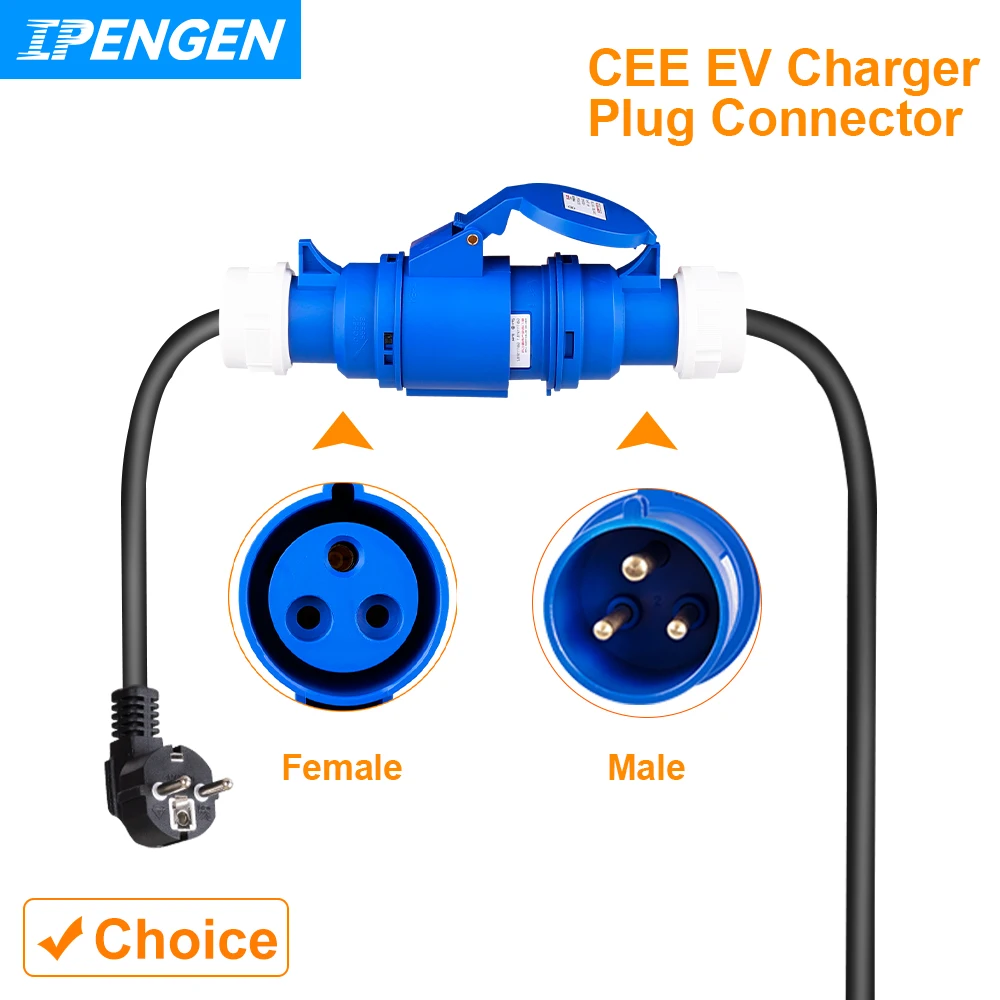
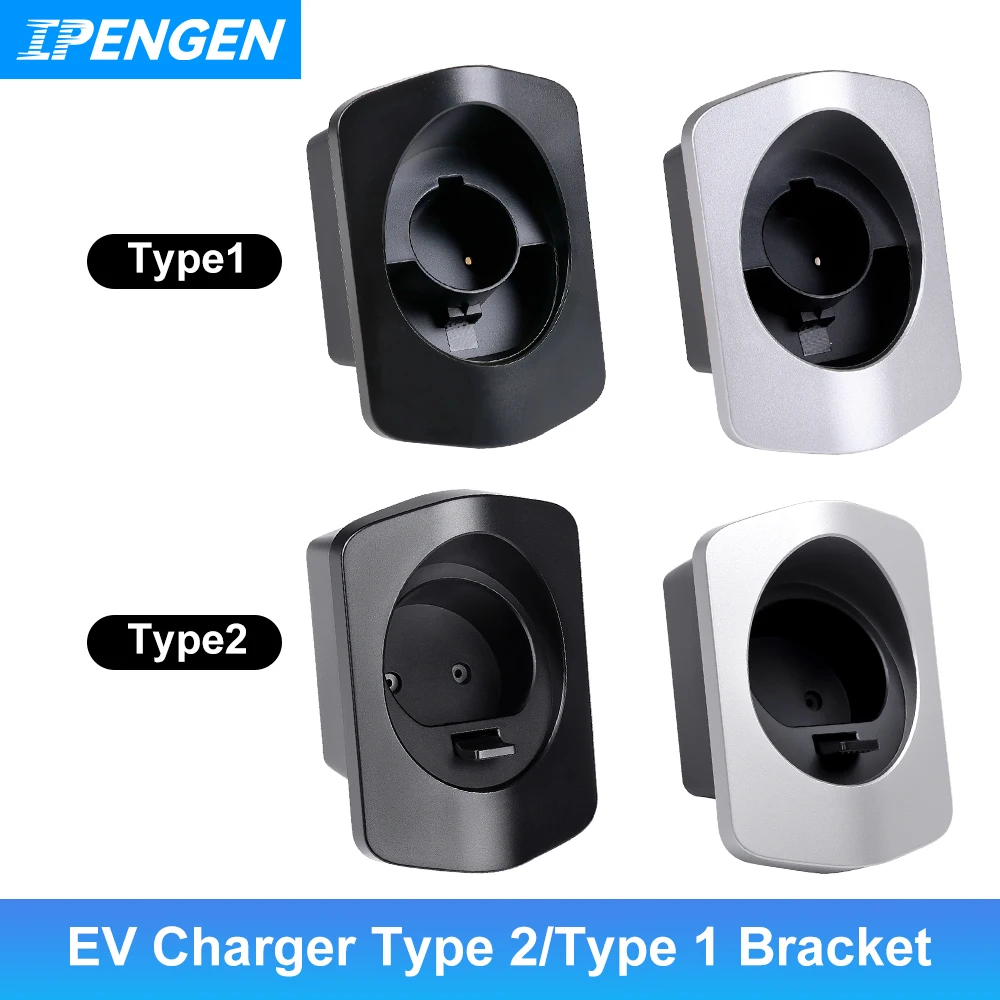

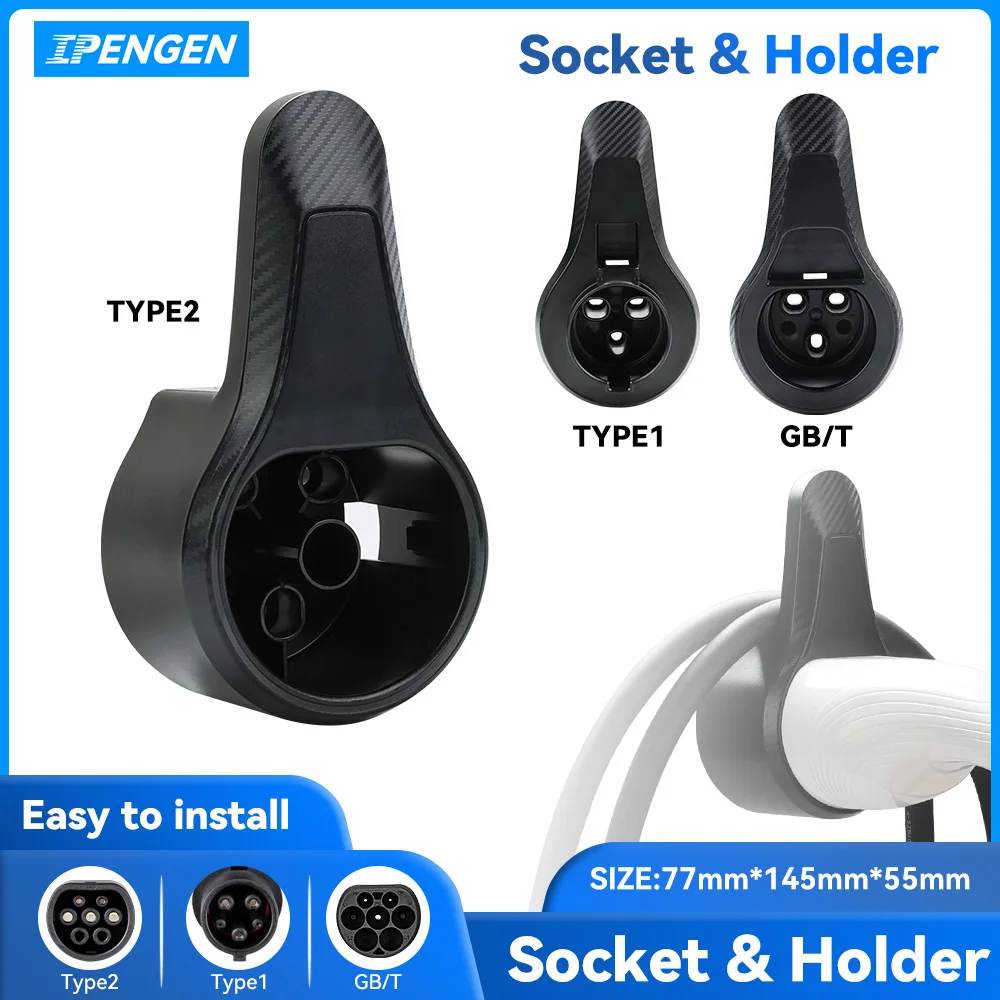
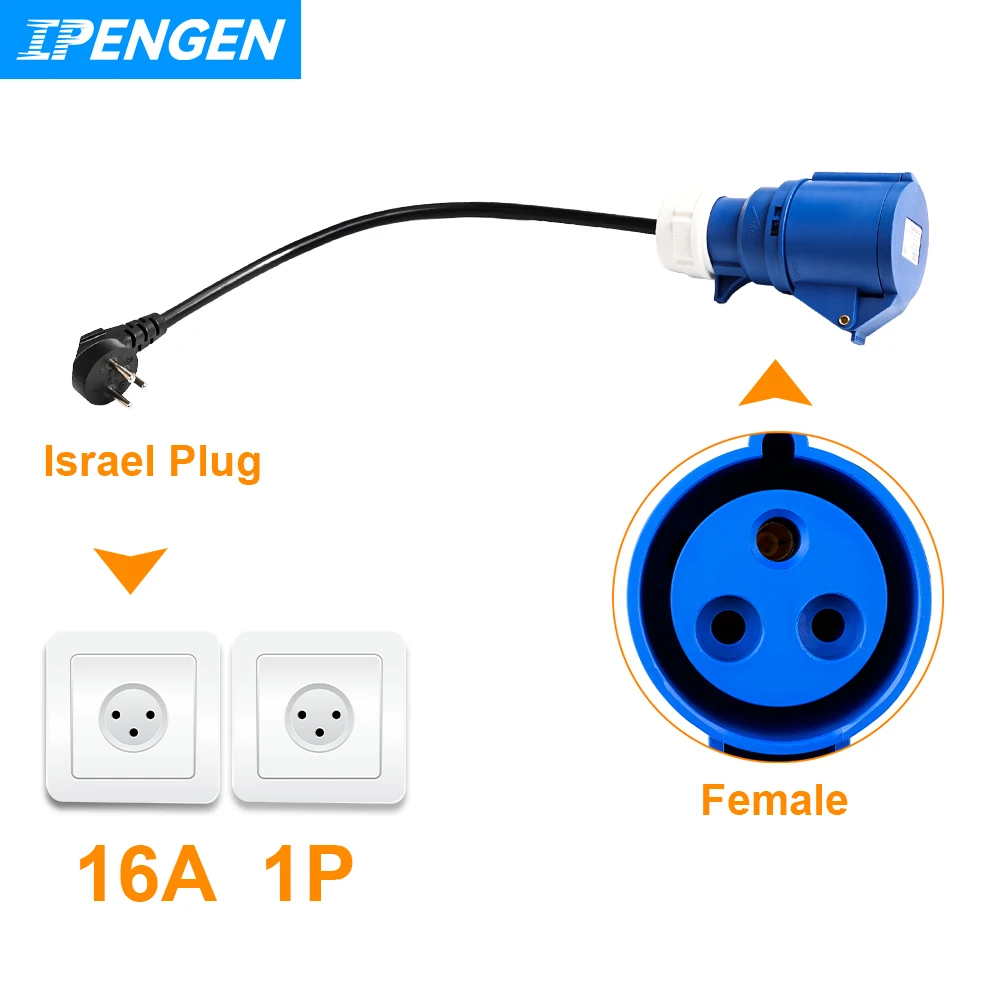
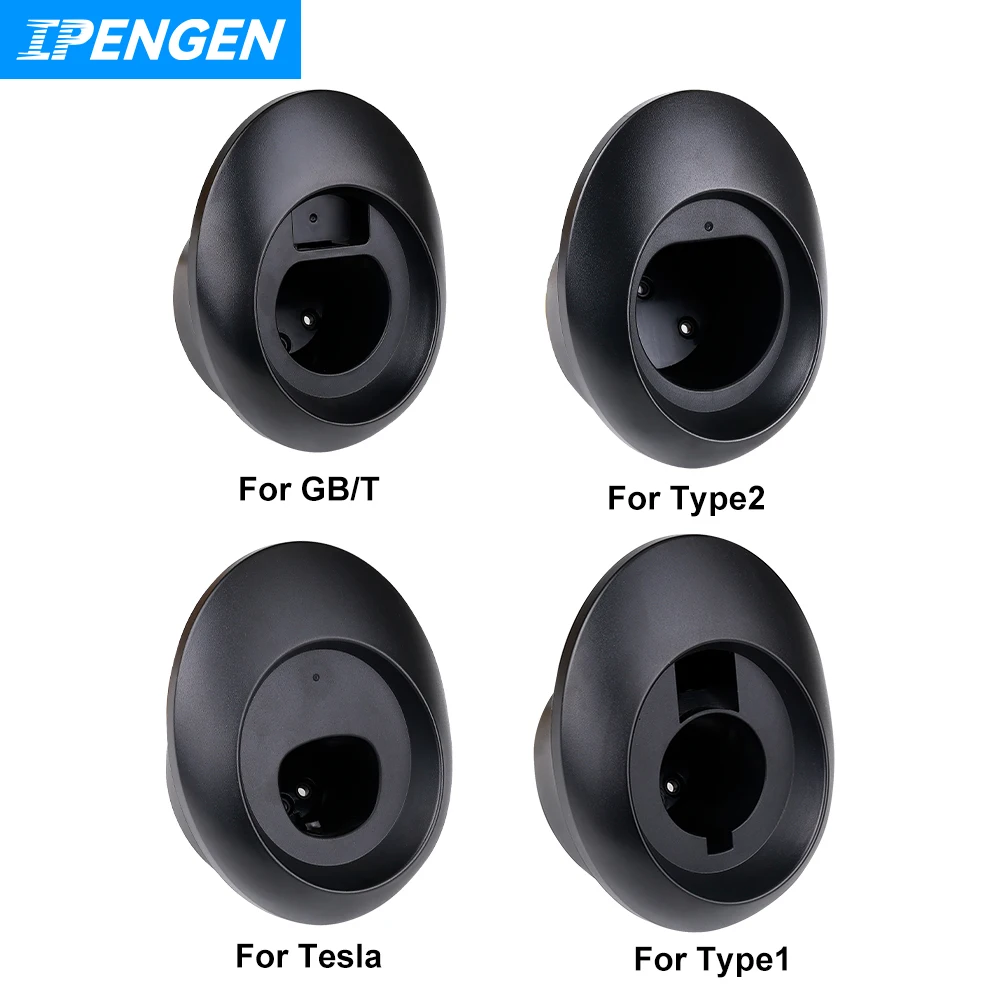
IPENGEN EV Charger Plugs with SAE J1772 IEC 62196-2 GB/T Standards
IPENGEN EV Charger Plugs represent the connection point between vehicle charge ports and electrical infrastructure, translating standardized power delivery into battery charging across North American, European, Asian, and Chinese electric vehicle markets. The SAE J1772 standard connector family serves vehicles in North America and selected Asian markets, featuring single-phase design optimized for residential charging at 120-240 volts. IEC 62196-2 plugs provide European and global charging access with enhanced three-phase capability supporting 400-volt installations common in industrial and commercial environments. GB/T connector variants address the Chinese market’s specific requirements, ensuring compatibility with the country’s rapidly expanding public charging infrastructure operated by State Grid, State Power Investment Corporation, and regional providers. Each plug carries rated current specifications from 16 to 63 amperes depending on the model and application, with voltage configurations supporting single-phase residential charging and three-phase workplace installations. Cable assemblies range from 2 to 7 meters in length, accommodating varied parking positions and charging station distances across residential garages, workplace parking facilities, and public charging locations. Waterproof protection ratings—typically IP67 or higher—prevent moisture ingress during outdoor charging in rain, salt spray, and temperature extremes across diverse climate zones.
Connector Standards and Electrical Specifications
SAE J1772 plugs deliver standardized control pilot signaling between charger and vehicle, enabling safe charging current modulation and fault detection across North American charging networks. The Type 2 IEC 62196-2 standard incorporates advanced safety mechanisms including residual current detection, overvoltage protection, and thermal management components that protect against equipment failure and electrical hazards. GB/T connectors feature unique mechanical design elements that distinguish them from Western standards while maintaining equivalent electrical safety through isolated grounding, earth continuity monitoring, and surge suppression. All IPENGEN plugs utilize oxygen-free copper conductors with low-resistance joints, ensuring minimal voltage drop during sustained charging and maximizing power delivery efficiency to battery management systems. Locking mechanisms on each connector type prevent accidental disconnection during charging, critical for safety in high-current scenarios and environments with vibration or physical disturbance. Insulation materials meet or exceed flame-spread ratings and thermal stability requirements, maintaining integrity across temperature ranges from -20°C to +60°C without brittleness or degradation. Manufacturing tolerances control contact surface geometry to within 0.1 millimeters, ensuring consistent electrical contact and minimal wear across thousands of connection cycles.
Why IPENGEN Plugs Outperform Alternatives
Inferior connector designs frequently introduce contact resistance that generates heat, reduces charging power, and accelerates connector wear—problems that IPENGEN’s engineering directly addresses. Independent laboratory testing demonstrates that IPENGEN plugs maintain stable voltage delivery at rated current for continuous 8-hour charging sessions, while competing products from unspecialized manufacturers experience 15-25 percent power loss after 2-3 hours. The official IPENGEN store provides detailed technical documentation for every plug model, including UL/CE certification data, thermal imaging reports, and fatigue testing results that verify long-term reliability. Users report that genuine IPENGEN plugs develop zero corrosion on contact surfaces after 24 months in coastal environments, compared to visible oxidation on aftermarket alternatives. Fleet operators managing 50-500 vehicles document 40 percent fewer charging-related failures and warranty claims when standardizing on IPENGEN connector products across all charging locations. The brand’s commitment to transparent specifications and conservative rated current assignments—never exceeding 80 percent of theoretical maximum—ensures safety margins that prevent thermal events and equipment damage. Warranty coverage includes defective materials and premature contact wear, protecting buyers against infant mortality failures and gradual degradation that reduces charging reliability over time.
Installation and Maintenance Guidance
Proper connection technique prevents contact damage and ensures optimal charging performance; insert the plug steadily until the mechanical locking collar engages with an audible click, confirming full seating. Before connecting to new charging stations or switching between different connector types, visually inspect plug contacts for dirt, corrosion, or physical damage that could compromise electrical safety. For permanent garage or workplace installations, consider purchasing cable assemblies with integrated connectors rather than relying on separate plug adapters, which reduces connection points and improves reliability. Store plugs in protective caps or carry cases when not in use, preventing dust accumulation and accidental contact damage during vehicle transport or storage. If charging performance appears reduced—slower power delivery, longer charging times for identical battery capacity—disconnect and visually inspect connector contacts for oxidation or carbon buildup. Cleaning contacts requires only distilled water and soft brushes; never use harsh chemicals, abrasive materials, or compressed air that could force contaminants deeper into connector chambers. Order replacement plugs from the official IPENGEN store to ensure authentic components with full warranty coverage and verified compatibility with your specific vehicle model and regional charging infrastructure.