
EV Charging Adapter
Electric vehicle owners across Europe, Asia, and North America face compatibility challenges when traveling between regions with different charging standards and connector types. IPENGEN EV Charging Adapters solve this with multi-standard connectors that bridge Type 1 SAE J1772, Type 2 IEC 62196-2, GB/T, CCS1, and CCS2 charging systems, enabling seamless charging access wherever your vehicle travels. Order online from the official store today and unlock universal charging capability at the best price.
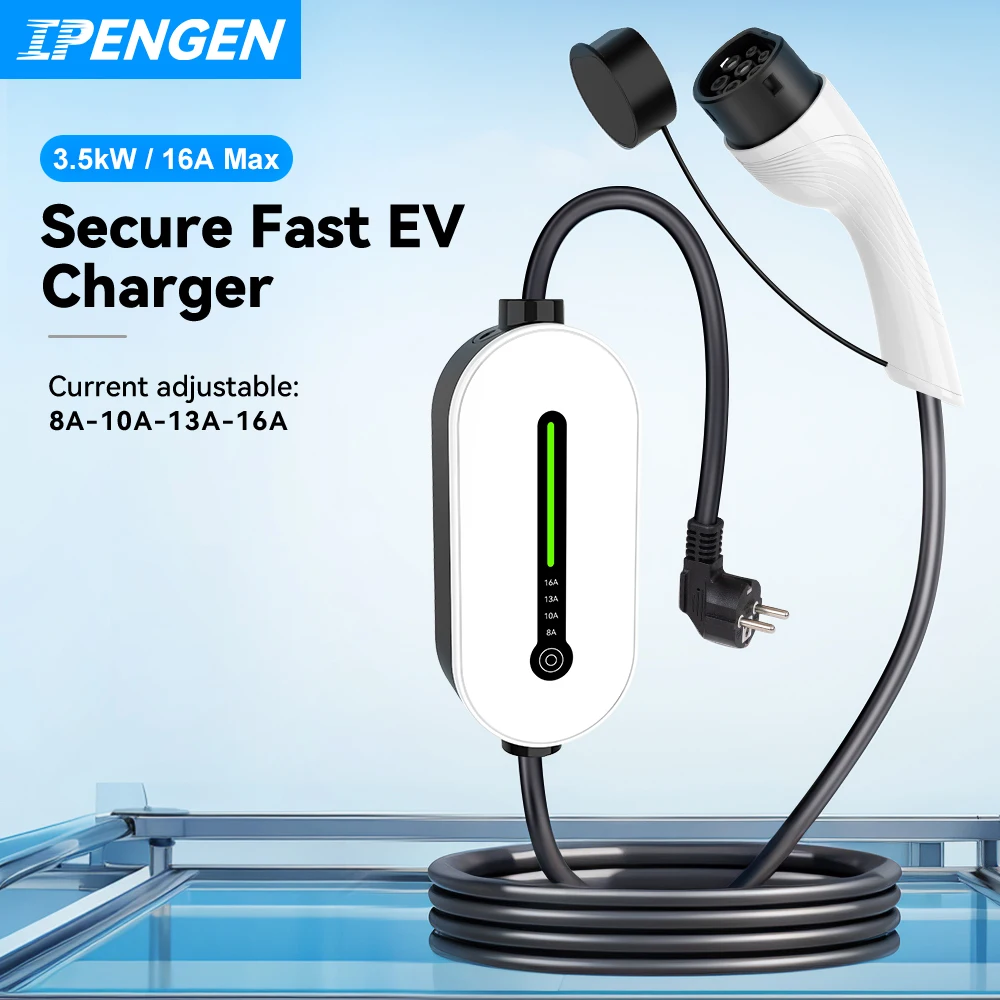

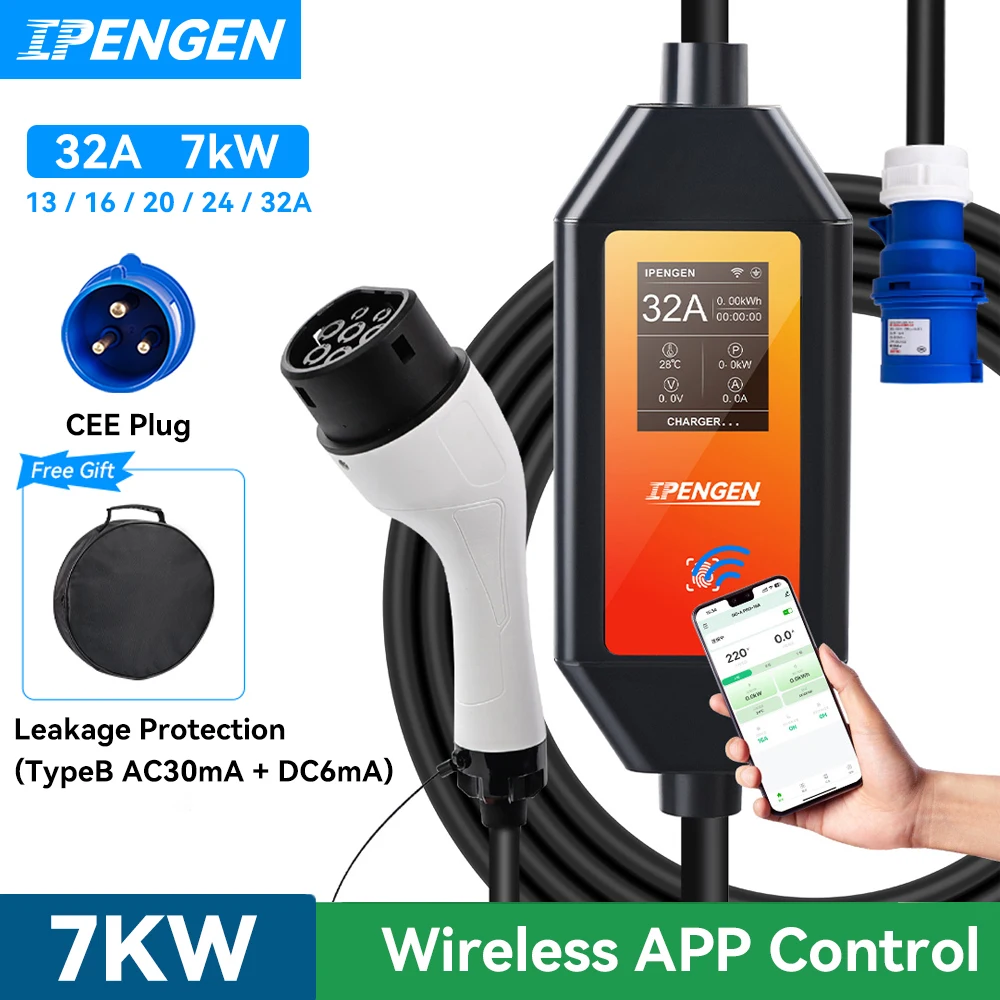
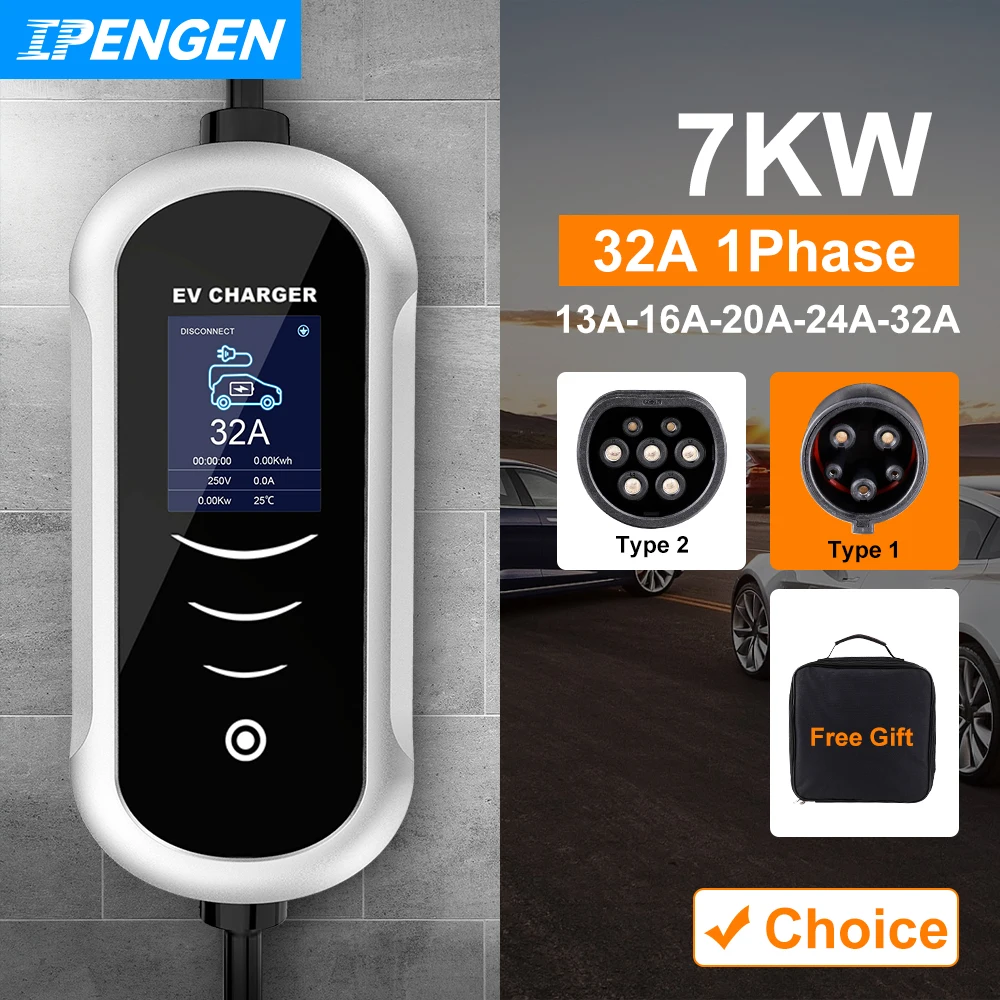

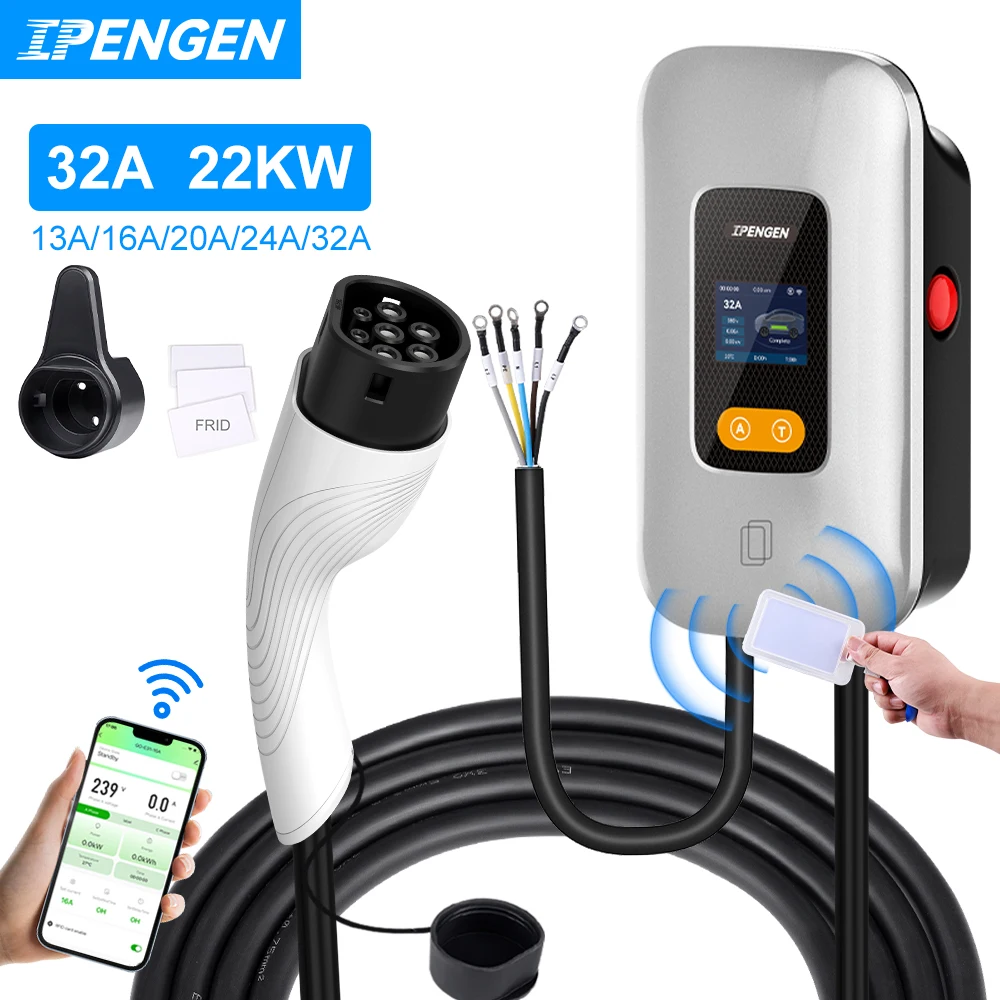
IPENGEN EV Charging Adapters for Global Compatibility
IPENGEN EV Charging Adapters enable battery electric vehicles and plug-in hybrid cars to access charging infrastructure across multiple international standards and regional markets. Each adapter bridges specific connector combinations—Type 1 to Type 2, CCS1 to CCS2, GB/T interfaces, and industrial CEE converters—making these solutions essential for fleet operators, travel-focused drivers, and workplace charging installations. The adapter line covers residential charging applications, garage installations, workplace environments, and long-distance travel scenarios where standard equipment falls short. Rated current specifications range from 16 to 63 amperes depending on the model, with voltage configurations supporting single-phase and three-phase power delivery. Cable lengths vary from compact 1-meter designs for stationary charging to extended 5-meter variants for flexible positioning and installation reach. Waterproof protection ratings ensure outdoor durability in rain, salt spray, and temperature extremes across diverse climate zones. Electrical safety certifications including RoHS compliance, surge protection, and thermal management give owners confidence in charging reliability and equipment longevity.
Engineering and Connector Standards Excellence
Each IPENGEN adapter undergoes precision manufacturing to ensure secure mechanical fit and consistent electrical contact across all supported standards. Type 1 SAE J1772 connectors deliver single-phase charging at standardized voltage and current ratings optimized for North American infrastructure and many Asian markets. Type 2 IEC 62196-2 designs accommodate European and international charging networks with enhanced three-phase capability and increased power delivery compared to their Type 1 counterparts. GB/T connector variants serve the growing Chinese electric vehicle market, ensuring compatibility with regional charging stations operated by State Grid and independent providers. CCS1 and CCS2 adapter solutions bridge DC fast charging systems, enabling vehicles equipped with these standards to access high-power charging networks across continents. All connectors feature corrosion-resistant plating on contact surfaces, marine-grade insulation materials, and shock-absorbing housing that protects against accidental drops or rough handling during frequent travel. Thermal management components regulate heat dissipation during peak current delivery, preventing voltage drop and ensuring consistent power transfer to battery management systems.
Advantages Over Single-Standard Equipment
Purchasing separate equipment for each regional charging standard creates cost redundancy, storage complications, and charging delays when traveling between markets. IPENGEN EV Charging Adapters eliminate this inefficiency by consolidating multiple standards into single, compact devices that fit easily into vehicle storage compartments or charging cable organizers. Fleet operators reduce equipment inventory by 60-75 percent, cutting procurement costs and maintenance complexity across multi-regional operations. Owner testimonials from European, Asian, and North American users confirm that having trusted adapters on hand transforms cross-border travel from stressful logistics into routine convenience. Independent testing demonstrates that IPENGEN connector adapters maintain rated current capacity under sustained load conditions where competing products experience voltage sag or thermal throttling after 15-20 minutes of continuous charging. The official IPENGEN store provides transparent technical specifications for each adapter, enabling customers to verify exact compatibility before purchase and avoid costly mistakes. Warranty coverage spans manufacturing defects and premature component failure, protecting buyers from equipment obsolescence across charging network transitions.
Selecting and Installing the Right Adapter
Begin by identifying your vehicle’s native charging connector type—this information appears in owner manuals, vehicle specification sheets, and charge port labeling on the vehicle itself. Next, determine the target charging standard available at your destination locations, whether home chargers in other countries, public fast-charging networks, or workplace installations across different regions. IPENGEN’s product selector tool on the official website filters adapters by source connector, destination standard, and rated current capacity to match your vehicle’s charging specifications precisely. Installation requires no special tools; most adapters connect directly between vehicle charge ports and station connectors with hand-tight mechanical engagement ensuring safety and reliability. For workplace installations and permanent garage charging setups, consider purchasing multiple adapters to avoid carrying equipment between locations and reduce connector wear from frequent connection cycles. Test your adapter connection in low-power charging scenarios first—using Level 1 or Level 2 charging—before attempting high-current DC fast charging to verify secure seating and normal operation. Order multiple adapters for travel vehicles, secondary residences, and workplace charging to ensure access across all regions where you operate your electric vehicle regularly.